
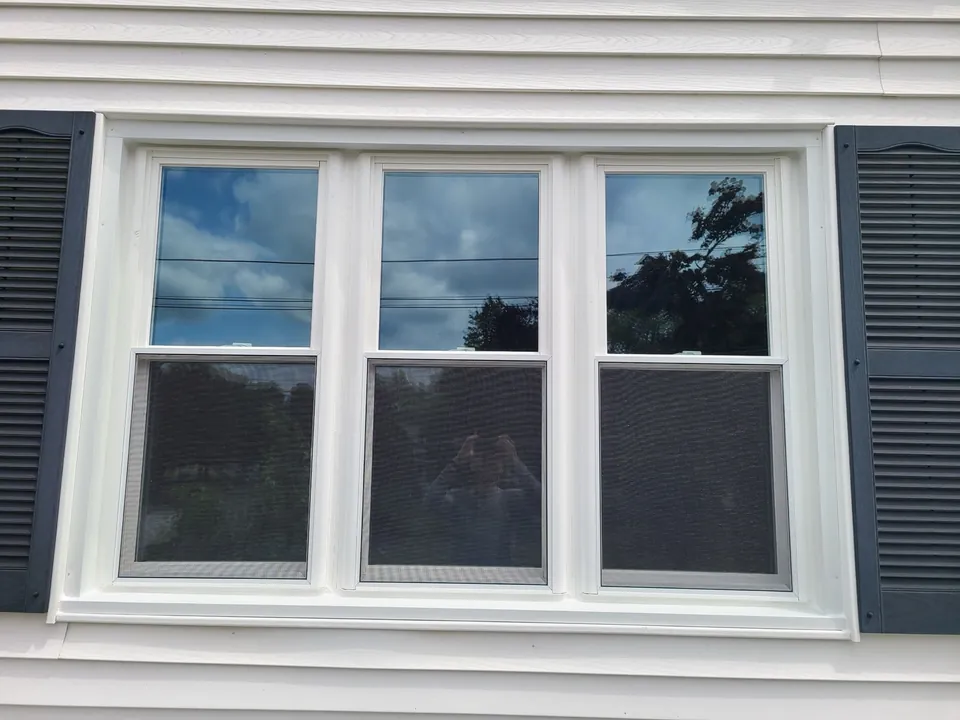
When you start getting quotes for new windows, one question comes up fast: are you doing an insert replacement or a full-frame replacement? The two words sound technical, but the difference is simple, and it affects your price, how long the job takes, and how your home looks when the crew leaves. Here is a plain-English look at both, so you can walk into any estimate knowing what to ask.
The Short Answer
An insert replacement (sometimes called a pocket replacement) removes the old sashes and fits a new, custom-measured vinyl window into the existing frame. Your interior trim, exterior trim and the wall around the window stay put. A full-frame replacement takes everything out, right down to the rough opening in the wall, and builds the window back from scratch with new trim.
At Castle “The Window People” of Massachusetts, most of the homes we work on are a great fit for insert installs. We recommend full-frame only when the old frame is damaged. Here is why.
How an Insert Replacement Works
Think of your existing window as two parts: the frame that is built into the wall, and the sashes (the parts with glass that open and close) that sit inside it. In most Massachusetts homes, even when the sashes are drafty, foggy, painted shut or rattling in the wind, the frame itself is still solid.
With an insert install, the crew:
- Removes the old sashes, stops and any old balance hardware.
- Checks the existing frame and sill for rot, softness or water damage.
- Sets the new vinyl window, built to your exact opening, into the frame.
- Levels it, secures it, and insulates and seals the gaps so air and water stay out.
- Finishes the inside and outside so the new window looks like it was always there.
Because nobody is tearing into your walls, there is much less mess, no plaster or drywall repair, and no repainting of the trim around the window. It is also the main reason most of our window jobs finish in a single day.
How a Full-Frame Replacement Works
A full-frame replacement goes further. The crew removes the interior trim, the exterior trim and the entire old frame, exposing the rough opening. That lets them inspect and repair the framing, add new flashing and insulation, and then install a complete new window unit and new trim.
It is a bigger job. It takes more labor, more material and more time, and it usually means some touch-up work on the walls and trim afterward. When the frame is in bad shape, though, it is the right call, because putting a brand-new window into a rotted frame is like putting new tires on a bent wheel.
Insert vs. Full-Frame at a Glance
Insert replacement
- Keeps your existing interior and exterior trim
- Less disruption and very little mess inside the house
- Usually the lower-cost option
- Most jobs are done in one day
- Best when the existing frame is square, dry and solid
Full-frame replacement
- Replaces the whole window, frame and trim
- Lets the crew fix rot or water damage hidden behind the trim
- Can change the size or shape of the opening
- More labor and cost, and usually more time
- Best when the frame is damaged or you are remodeling around the window
Signs Your Frames Are Good Candidates for Inserts
You can do a quick check yourself before anyone comes out. Walk around the house and look at each window from the inside and outside. An insert install is usually a good fit when:
- The wood around the window feels firm when you press it with a thumb or a screwdriver tip.
- The sill is not sagging, cracked through or spongy.
- There are no water stains on the wall or ceiling below the window.
- The window opening looks square, without big gaps that widen from one corner to the other.
- The paint may be peeling, but the wood underneath is sound.
Peeling paint, foggy glass, drafts and sashes that will not stay up are all problems with the window, not the frame. An insert fixes every one of them.
When Full-Frame Makes More Sense
Sometimes the frame is the problem. We will recommend a full-frame replacement when we find:
- Rot or soft wood in the frame or sill, often on the side of the house that takes the most weather.
- Water getting in around the window, which shows up as stains, swelling or peeling paint on the wall below.
- An out-of-square opening from settling, where an insert would not sit or seal properly.
- A change in size or style, such as turning a small window into a bigger picture window, or swapping a window for a bay or bow.
Many homes are a mix. It is common to do inserts on most of the house and full-frame on one or two windows that have taken a beating. A good installer will look at every opening and tell you which is which, instead of selling the same thing for the whole house.
Does an Insert Window Lose Glass Area?
This is the most common worry we hear. Because the new window sits inside the old frame, the glass can be a little smaller than what you have now. How much depends on the window and the frame. Modern vinyl windows are built with slim frames, and every window is custom-measured to the opening, so most homeowners never notice a difference once the new windows are in. If keeping every bit of glass matters to you on a certain window, ask about it during your estimate and we will show you your options.
What About Energy Savings?
Both install types can make a big difference in drafts and comfort, as long as the work is done carefully. With an insert, the key is a solid frame plus proper insulation and sealing around the new window, so air cannot sneak in around the edges. Our vinyl windows are available in ENERGY STAR certified options, depending on the glass package you choose. For more on glass packages and what the energy labels mean, see our plain-English guide to energy-efficient windows.
Questions to Ask at Your Estimate
- Are you recommending insert or full-frame for each window, and why?
- Did you check my frames and sills for rot before quoting?
- How will the gaps between the new window and the old frame be insulated and sealed?
- Will my interior trim be touched?
- How many days will the install take?
- What does your guarantee cover?
At Castle, every job is backed by the Castle Lifetime Guarantee, and we are happy to walk you through what it covers when we meet. If you are still deciding on styles, our guide to choosing a window style covers double-hung, casement, slider, bay and bow, awning and more.
The Bottom Line
For most Massachusetts homes, an insert replacement is the smart choice. It keeps the trim you already have, keeps the mess to a minimum, and usually gets the whole job done in one day. Full-frame replacement is the right tool when a frame is damaged or you want to change the opening, and an honest installer will tell you which windows truly need it.
Want to know which option fits your home? Browse our vinyl replacement windows, check out our entry, patio and storm doors, or see real work in our gallery.
Get Your Free Quote
Call Castle “The Window People” of Massachusetts at (508) 425-4977 or request your free quote online. We will look at every window, tell you honestly whether it needs an insert or a full-frame install, and give you a clear price.